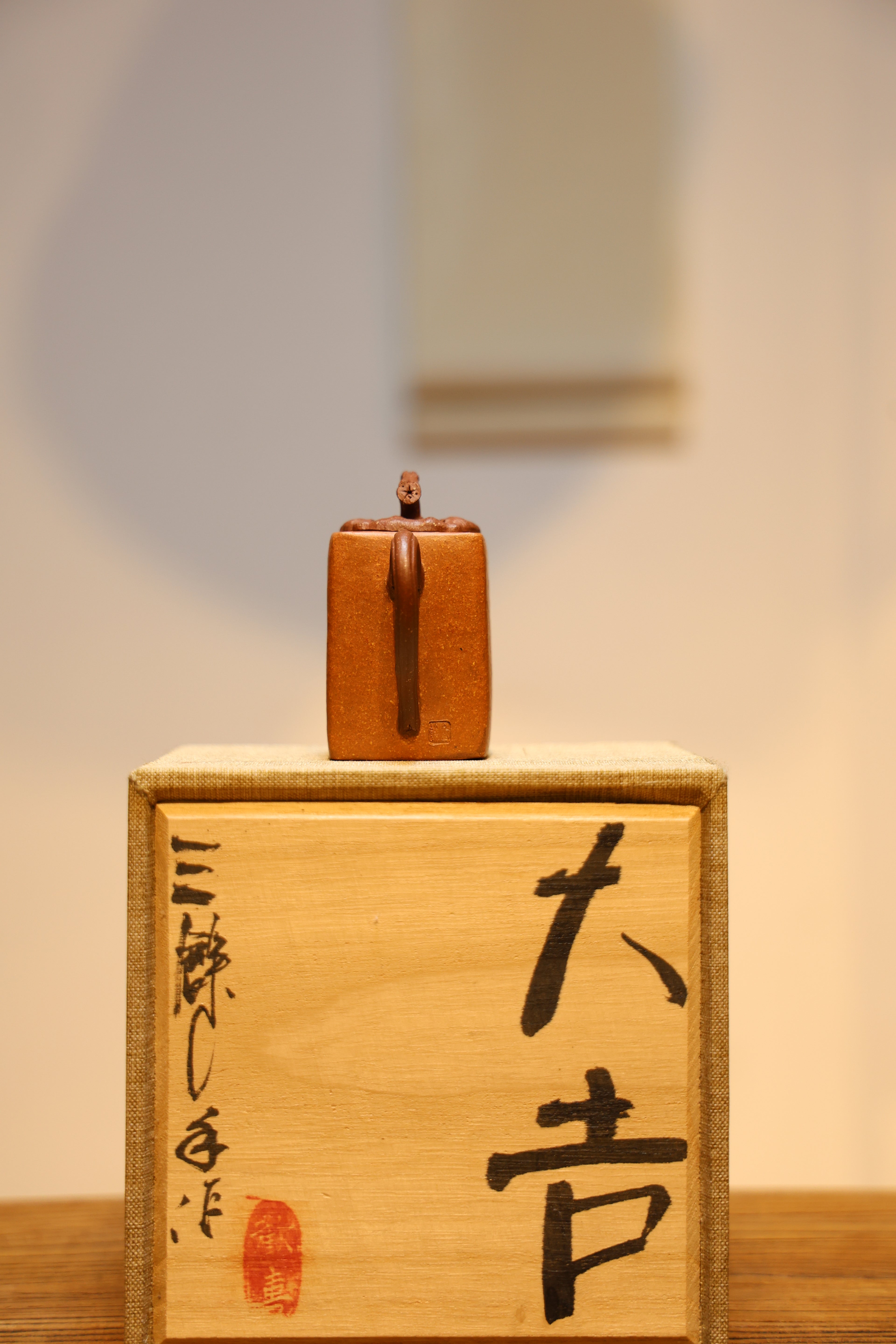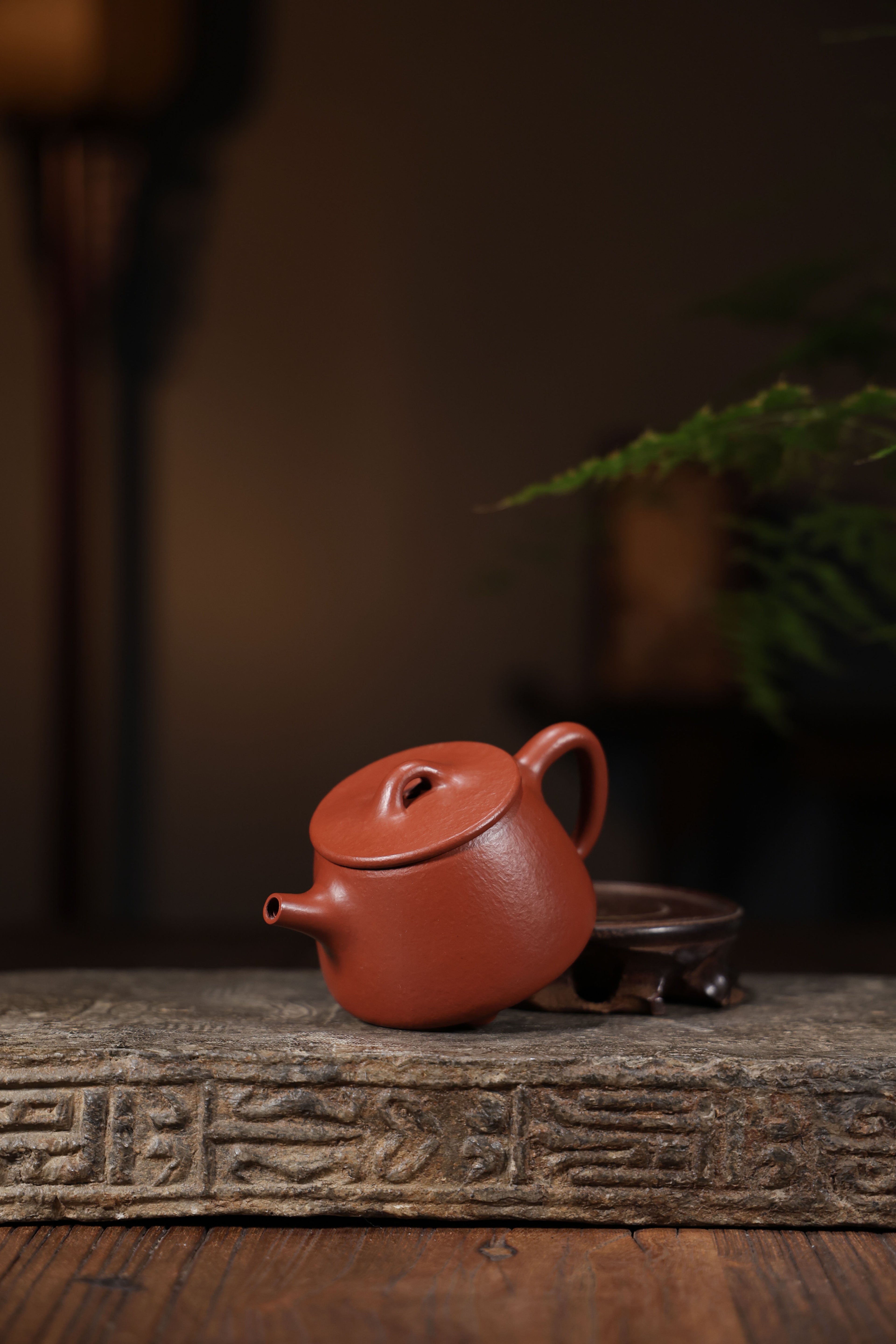
Throughout enduring chronicles,
Over epochs, enthusiasts have been fascinated by the uncommon charm of Yixing Zisha teapots. Originating from the territory of Yixing in the nation of China, these utensils are renowned for their exceptional beauty, scarce clay, and natural ability to augment the essence of the beverage. The element's distinctive auburn hue, combined with the proficient production of environmental fabricators, creates artworks that are at once functional productions and costly assets. Acquiring a Zisha teapot is more than just a purchase; it's experiencing a rich cultural heritage.
Understanding Yixing Teapots: History, Models, and Esteem
Famous Yixing teapots symbolize a vast record deeply intertwined with Chinese culture. Rooted in the Yixing region of Jiangsu province, these clay vessels contain a heritage going back to the Ming Dynasty. Original copyrightples were functional, but throughout centuries, Yixing teapot craftsmanship evolved into an esteemed art form. The clay itself, known for its unique feature and ability to modify the flavor of the tea, persists a defining factor. Yixing teapots manifest in various designs, broadly categorized by shape: Traditional such as Zhuni (purple clay) and Bisheng, as well as custom designs. The significance of a Yixing teapot rests on several factors, including the potter’s name, the age of the piece, the rarity of the clay, and its aesthetic quality.- Story: Prime eras
- Soil: Various types
- Appraisal Elements: Age
Zisha Pot Expertise: Proficiency and Makers
That production of a bona fide Zisha teapot is a complicated process, requiring generations of mastery. Expert artisans meticulously choose the prime Zisha clay, a specialized earth found only in specific regions of China. Established techniques, often relayed through families, involve careful shaping, sensitive carving, and methodical firing in ancient kilns. The definitive teapot isn't merely a pot; it's a testament to expressive vision and the meaningful connection between the sculptor and their roots. Each piece showcases the distinctive touch of the maker, resulting in a truly matchless work of art.
Ancient Pottery: Delving into the Deep Practices of the Yixing Locality
This Yixing, set in Jiangsu the district, is globally renowned for its exceptional ceramics – a tangible representation of centuries of Chinese art. These aren't merely vessels for making tea; they are intricate works of craft, often reflecting Yixing Teapot historical ideals. Such unique purple clay, known as Zisha, possesses exceptional qualities: the compound dense, porous, and imparts a subtle note to the tea.
- Multitudinous dynasties have honed the techniques of Yixing jar making, passing down cherished methods through ages.
- Devotees prize these pieces for their grace and scarcity.
- A number of urn tells a story, connecting the consumer to a rich tradition.
Purchasing Yixing Zisha: Critical Aspects
Considering exploring buying Yixing Zisha containers, several distinct factors warrant careful consideration. Primarily, the component's color is crucial; authentic Zisha generally exhibits a particular carmine depth. Also, evaluate the craftsmanship; precise features and a elegant overlay demonstrate accomplished production. At last, study the fabricator's profile; distinguished names draw boosted amounts and often supply a reliable reward.
Crafting Tea with Zisha Clay Vessels
Preparing exquisite tea with a Zisha vessel is more than a simple custom; it's an technique. Zisha clay, acclaimed for its unique physical composition, imparts a gentle character to the finalized tea that’s often gone with other containers. The right water thermal condition is fundamental; typically, reduced than what's used for black tea, to save the tea's perfume and taste. Consider carefully the tea form; delicate green teas or aged pu-erhs improve from the Zisha’s ability to ease their intrinsic edge. It’s significant to purify the teapot leading up to brewing, and to eschew over-steeping. Mastering this practice leads to a truly exceptional tea instance.
- Appreciating Zisha Clay
- Warming Level & Kind of Tea
- Significance of Pre-heating
Caring for Your Famous Pot
In order to preserve the endurance of your prized Yixing jar, routine upkeep is decisively crucial. Do not using harsh substances; instead, mildly immerse it with comfortably warm solution. Ward off abrupt temperature; please don't put the earthenware directly onto a fiery stand. Periodically, prepare the container by immersing it with high-quality fermented tea, as this facilitates to enhance its nature and safeguards the peculiar attributes of the component.
Regarding Substance to Cup: The Course of a Zisha Container
A creation of a Zisha teapot is a intriguing approach, a symbol to both the environment’s bounty and the finesse of the maker. It launches with the careful extraction of the singular clay from the plum Zisha mines around Yixing. This virgin material, known for its exquisite features, is then methodically clarified and shaped for the early forming. The teapot's design is masterfully formed using a mix of historical forming methods, often incorporating detailed ornaments. Following hardening, the teapot undergoes a vital first firing, joined by a polishing stage, which might involve diverse layers of organic Zisha layers. Finally, a second, and sometimes third, firing at strong temperatures renders the composition, revealing its final beauty and splendid characteristics - a real masterpiece, equipped to embellish a tea session.
{Yixing Teapots: A Symbol of Chinese Heritage and Respect
Esteemed Yixing teapots, originating from the prestigious Yixing region of Jiangsu province, are far more than mere ceramics for brewing potions; they represent a weighty aspect of Chinese culture. Crafted from distinctive purple clay – zisha – these exceptional teapots are highly valued for their ability to improve the flavor of the tea and, crucially, for their aesthetic appeal. The tradition of Yixing teapot making spans centuries, and the expertise involved is transmitted through generations, making each teapot a masterpiece that embodies long-established techniques and a profound appreciation for the modest pleasures in life.