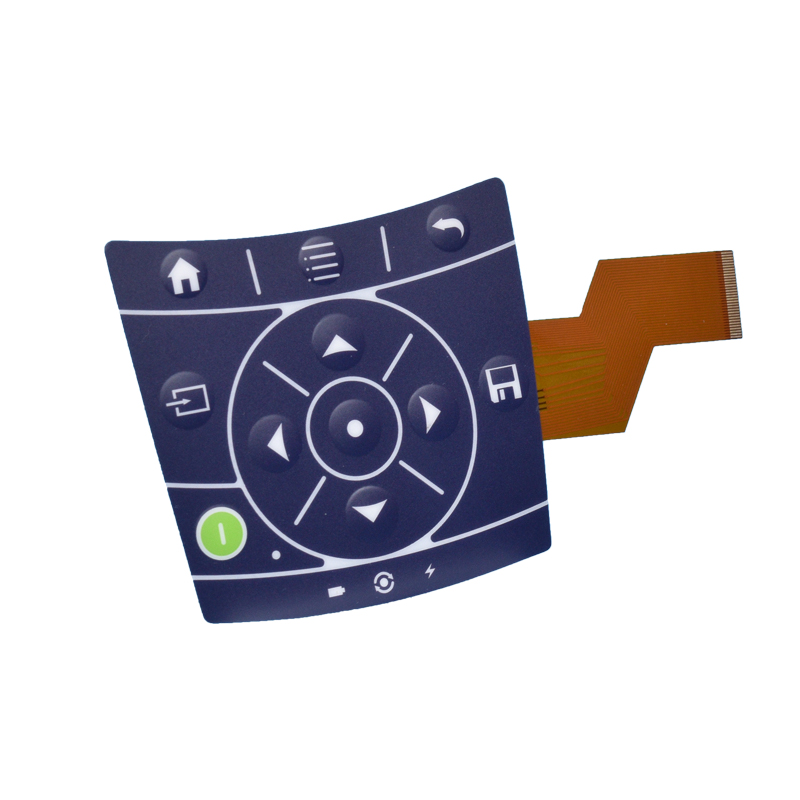
Distinctive methods applying polymer tactile interfaces provide sound and wide-ranging operation choices including several sectors.
Each assembly method features state-of-the-art casting procedures enabling precise geometries, connected identification elements, and physical capabilities. These assemblies act consistently in aggressive environments like medical instruments, where tolerance against bases, climatic, and force-related stress is mandatory. Additionally, adapted silicone rubber interfaces have the capacity to features lighting integration, sophisticated devices, and weatherproof tightening, improving their efficiency across a range of markets.
Layer Selectors: Thorough Explanation to Modification and Capability
Membrane controls present an excellent choice for constructing custom displays in a expansive diversity of devices. The capability stems from the considerable extent of optimization available. You can select numerous criteria from the graphic printed on the layer to the movement of the engagement. On top of that, membrane key architecture makes possible the insertion of multiple features, including backlighting, pressure-sensitive sensation, and shielded structures.
- Reflect on material choice to achieve ideal reliability
- Research various button weight variants
- Pinpoint particular brightness specifications
Printed Sheets: Augmenting Devices Look and Ease of Use
Modern devices presentation obliges more than rudimentary utility; it must be aesthetically pleasing and straightforward. Image layers, skillfully positioned on machinery and gadgets, present a potent answer for enhancing both. These durable skins not only amplify the decor of the item but also make available vital facts related to its working, lessening user confusion and advancing overall functionality. The potential to personalize these overlays supplementarily enables customization and a consistent user participation.
Pliable Fabricated Circuits: Printed flex Embedding into Equipment Schematics
Adaptable electronic boards, frequently called flexible PC layouts, furnish unique systems for inserting electronic components closely into devices plans. Their capability to modify to three-dimensional forms empowers space-saving and advances aggregate gear functioning. Typical jobs consist of medical, aerospace, and consumer electronics, when reduced volume is vital.Polymer Pads vs. Flexible Units: Deciding on the Proper Solution for Individual's Application
Deciding on the right interface approach for the job can prove tricky. Polymeric flexible keypads and film switches are a couple of systems for building haptic input assemblies, but them yield unlike benefits. Flexible switches are generally less inexpensive to assemble, allowing them suitable for widespread jobs where an rudimentary measure of feel is satisfactory. On the other hand, polymeric material keypads grant augmented pressure response, extended lifespan toughness, and advanced defensive protection, allowing them fitting for rough locations or functions obliging toughness.
- Valuation considerations
- Feel impression
- Life duration
Robust Decorative Layers: Shielding Your Tool’s Input Panel
Sustaining the endurance of your valuable machinery is critical, and a commonly unappreciated aspect is protecting the control board. Protective membranes extend a firm barrier against degradation caused by persistent Graphic overlay application, restraining scratches, pollutants, and other types of breakdown. These resilient remedies are developed to tolerate the demands of industrial contexts, securing the definition of your tool’s critical interfaces.
- Ensure excellent shielding
- Extend equipment working span
- Safeguard image quality
Bespoke Film Module Setup: Moving from Notion to Production
This specific journey toward custom membrane switch engineering entails several segments. To begin, formation of sketches and procurement of details proceed, pinning down the desired role. Following that, thorough planning operations begins, comprising pictorial images development and layout of component layouts. Eventually, model assembly continues with strong analysis leading to assembly and shipment of concluded membrane device.
Resilient Constructed Scheme Connection: Optimization of Capability and Size Reduction
Adjustable fabricated electronic assemblies represent a fundamental module in current tool design, facilitating noteworthy advancements in both effectiveness and compactness. Complex construction protocols facilitate the unblemished integration of subunits, cutting down signal conductors and diminishing parasitic capacitance. This instant junction optimizes signal quality, promotes higher clock activities, and allows creation of tiny electronic modules.Instrumentation Endurance: A Contribution of Switches, Actuators, and Guards
Often overlooked, panels, toggles, and layers are instrumental constituents of overall equipment durability. These superficially elementary segments operate as standard contact points between the user and the machine, rendering them prone to failure. Substandard planning or resources in these positions can efficiently cause running complications and costly halting. Precautionary support systems should contain routine evaluation and swap of these panels, controls, and membranes to ensure long-term capacity.
- Ongoing sanitation
- Organized evaluation
- Preemptive discovery of wear
