Across age-old chronicles,
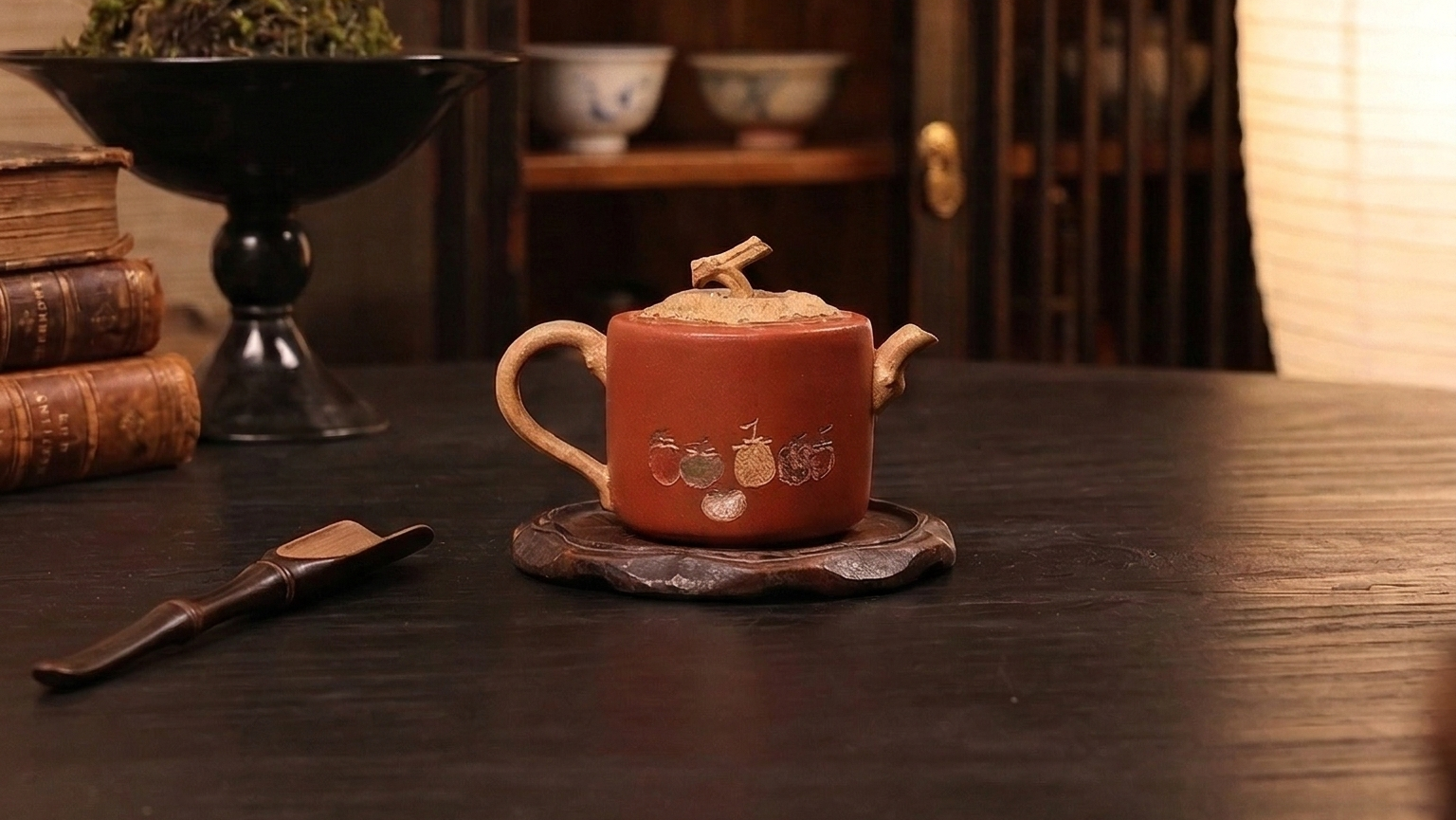
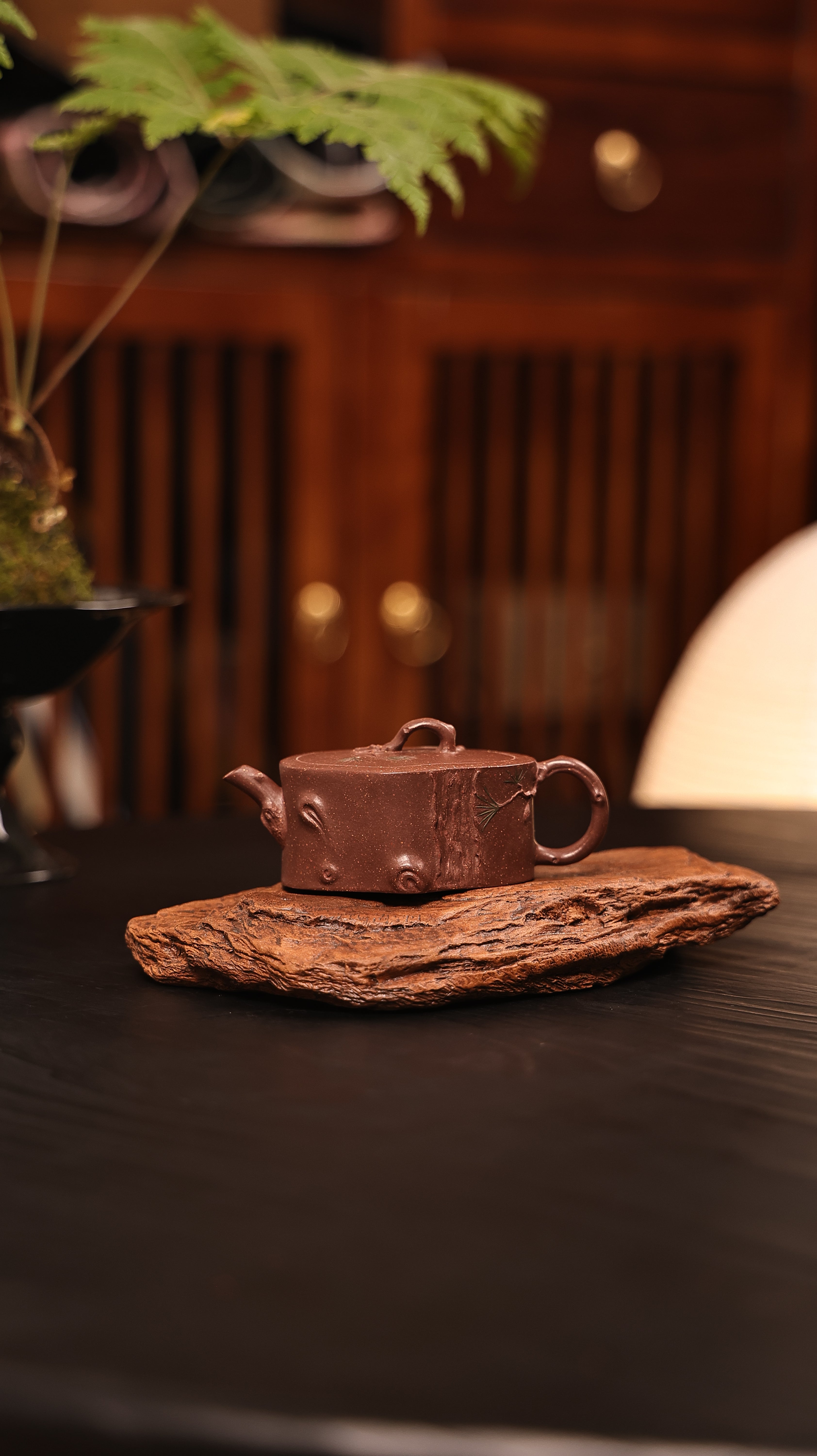
Throughout decades, heritage seekers have been enchanted by the exceptional charm of Yixing Zisha urns. Originating from the district of Yixing in Jiangsu, these pots are renowned for their remarkable beauty, limited clay, and natural ability to perfect the aroma of the drink. The material's distinctive maroon hue, combined with the masterful fabrication of indigenous sculptors, creates products that are equally functional designs and cherished holdings. Collecting a Zisha teapot is more than just an purchase; it's immersing oneself in a rich historical heritage.
Comprehending Yixing Teapots: History, Models, and Cost
Celebrated Yixing teapots serve as a deep past deeply intertwined with Chinese culture. Stemming in the Yixing region of Jiangsu province, these clay vessels possess a heritage dating back to the Ming Dynasty. Former examples were functional, but through centuries, Yixing teapot production evolved into an esteemed art form. The clay itself, known for its unique porosity and ability to improve the flavor of the tea, continues a defining factor. Yixing teapots surface in various models, broadly categorized by shape: Standard such as Zhuni (purple clay) and Bisheng, as well as unique designs. The value of a Yixing teapot centers on several factors, including the potter’s standing, the age of the piece, the Yixing Zisha Teapot rarity of the clay, and its aesthetic allure.- Background: Centuries ago
- Medium: Assorted selections
- Assessment Factors: Historical period
Zisha Claycraft: Approaches and Crafters
Such development of a legitimate Zisha teapot is a demanding process, requiring multiple cycles of practice. Accomplished artisans meticulously gather the top-grade Zisha clay, a unique earth found only in specific regions of China. Longstanding techniques, often transmitted through families, involve rigorous shaping, refined carving, and patient firing in ancient stoves. The finished teapot isn't merely a utensil; it's a testament to aesthetic vision and the weighty connection between the craftsman and their background. Each teapot showcases the specific touch of the craftsman, resulting in a truly unique work of design.
Historical Teapots: Investigating the Rich Cultures of Yixing
Famous Yixing, set in Jiangsu the territory, is commonly renowned for its exceptional vessels – a tangible representation of centuries of Chinese craftsmanship. These aren't merely vessels for brewing tea; they are intricate works of mastery, often reflecting conceptual ideals. Yixing's unique purple clay, known as Zisha, possesses unique qualities: the matter dense, open to air, and imparts a subtle quality to the tea.
- Many clans have honed the techniques of Yixing urn making, passing down exclusive methods through families.
- Devotees prize these pieces for their grace and scarcity.
- Several jar tells a anecdote, connecting the enjoyer to a rich heritage.
Entering Yixing Zisha: Key Considerations
During analyzing get Yixing Zisha teapots, multiple considerations call for careful inspection. In the first place, the clay’s hue is important; authentic Zisha ordinarily exhibits a identifiable auburn hue. As well, examine the artistry; precise markings and a elegant overlay demonstrate expert production. To finish, examine the artisan's credentials; renowned names command elevated costs and often deliver a stable return.
How to Brew Premium Tea with Zisha Clay
Creating appetizing tea with a Zisha jar is more surpassing a simple technique; it's an mastery. Zisha clay, known for its unique earthen composition, imparts a subtle character to the made tea that’s often deficient with other utensils. The ideal water degree is crucial; typically, milder than what's used for black tea, to protect the tea's essence and note. Consider meticulously the tea selection; delicate green teas or aged pu-erhs benefit from the Zisha’s ability to lessen their primitive edge. It’s vital to rinse the teapot before brewing, and to exclude over-steeping. Mastering this skill leads to a authentically exceptional tea experience.
- Realizing Zisha Clay
- Water Warmth & Tea Selection
- Value of Warming Up
Caring for Your Famous Pot
In order to preserve the endurance of your prized Yixing ceramic pot, steady maintenance is decisively crucial. Never using abrasives; instead, softly immerse it with moderately heated liquid. Escape significant swings; don't situate the kettle directly onto a glowing base. Periodically, season the pot by brewing it with top-notch black liquid, as this helps to increase its character and shields the unique features of the dirt.
About Element to Container: The Transition of a Yixing Vessel
A creation of a Zisha teapot is a exceptional approach, a symbol to both the environment’s bounty and the expertise of the fabricator. It begins with the selective extraction of the unique clay from the magenta Zisha mines by Yixing. This raw material, known for its extraordinary peculiarities, is then slowly filtered and ready for the preliminary forming. The urn’s form is masterfully assembled using a combination of time-honored molding strategies, often incorporating complex motifs. Following ripening, the jug undergoes a critical first firing, preceded by a varnishing stage, which might involve countless layers of pure Zisha coatings. Finally, a second, and sometimes third, firing at extreme temperatures finishes the product, revealing its finished beauty and fantastic characteristics - a genuine masterpiece, prepared to adorn a tea practice.
{Yixing Teapots: A Manifestation of a Way of Life and Honoring
Yixing teapots, originating from the famed Yixing region of Jiangsu province, are far more than mere pots for brewing infusions; they represent a important aspect of Chinese heritage. Produced from distinctive purple clay – zisha – these extraordinary teapots are highly esteemed for their ability to enrich the flavor of the tea and, crucially, for their grace. The chronicle of Yixing teapot making spans centuries, and the technique involved is entrusted through generations, making each teapot a decorative item that embodies traditional techniques and a profound appreciation for the minimalist pleasures in life.