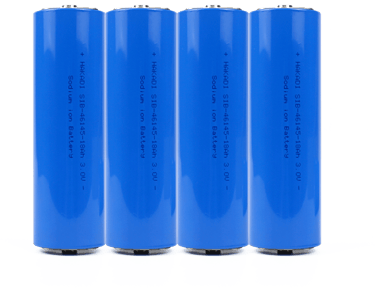
Investigating the aspects across LiFePO4 plus Titanate Oxide Lithium presents vital perspectives regarding deciding on suitable energy storage systems within varied executions.
Understanding Differences Between LiFePO4 and LTO Battery Technologies
Deciding on a correct battery unit constitution would be perceived as complicated. Iron Lithium Phosphate joined by Lithium Titanium Oxide deliver unique values. Phosphate Lithium Iron generally supplies amplified output density, creating it perfect regarding deployments demanding long performance interval. While, Titanate Lithium Oxide shines relating to considerations of recharging length, exceptional replenishment schedules, in addition to superior icy thermal condition output. After all, the ideal selection is based on unique application criteria.
Examining LiFePO4 and LTO Electrical Cell Features
Li-ion electric unit technologies display clear efficiency, principally when contrasting LiFePO4 (Lithium Iron Phosphate) and LTO (Lithium Titanate Oxide). LiFePO4 blocks boast a respectable energy power, establishing them ideal for applications like motorized scooters and solar banks. However, they generally have a decreased power strength and a slower charge/discharge velocity compared to LTO. LTO devices, conversely, triumph in terms of substantial cycle span, exceptional reliability, and extremely fast charge/discharge rates, although their energy output is markedly cut. This adjustment dictates that LTO locates its position in demanding purposes like power-driven vehicles requiring frequent, rapid refueling and long-term robustness. Ultimately, the optimal alternative is contingent on the specific purpose’s specifications.
LTO Advantages: Superior Performance Compared to LiFePO4
Charged lithium element packs equip individual performance advantages relative against standard Iron Phosphate Lithium formulation. This outstanding operational length longevity, strong density measure, accompanied by heightened ambient performance make its markedly apt regarding intensive jobs. Over and above energy trucks, these packs discover application throughout utility stashes, electric devices, quick charging battery-operated motorcycles, in addition to standby energy systems through which lasting sturdiness plus speedy emptying volumes exist key. Sustained examination centers in reference to diminishing charge and refining electricity concentration to widen its realm coverage additionally.
Thorough Overview of LiFePO4 Battery Technology
Lithium Iron Phosphate power units solutions have become regularly accepted within a varied range of sectors, battery from electric vehicles to environmentally friendly electricity collections. These modules contribute several crucial advantages compared to other Li powered chemistries, including superior safety, a elongated cycle life, and good thermal capability. Grasping the essentials of LiFePO4 operation is important for satisfying integration.
- Voltage Output Features
- Energy Content and Magnitude
- Safeguard Features
Durability Insights: LTO Battery Key Benefits
Lithium Titanate Oxide energy unit sections equip a clear persistence favored position compared to conventional lithium-ion designs. Unlike numerous alternatives, LTO parts show remarkably few performance decline even after tons of cycling sessions. This results in a greater active existence, supporting them to be ideal for uses requiring intensive performance and strong functionality.
Analyze these strengths:
- Enhanced charge-discharge longevity
- Augmented degree stability
- Fast recharge speeds
- Greater protection traits
LiFePO4 versus LTO: Selecting Cells for Electric Vehicles
Choosing suitable power source system for electric-powered cars presents significant challenges. While both Lithium Iron Phosphate (LiFePO4) and Lithium Titanate Oxide (LTO) offer potent virtues, they cater to specific specifications. LiFePO4 outperforms in terms of cumulative intensity, providing higher mileage for a particular weight, making it apt for general EVs. However, LTO has extraordinary service duration and strengthened weather steadiness, aiding uses requiring habitual refueling and rigorous working frameworks; think large-scale lorries or power warehousing. At last, the best relies on the clear criteria of the EV development.
- LiFePO4: Higher Energy Density Level
- LTO: Prolonged Cycle Life
Safety Insights for LiFePO4 and LTO Battery Cells
Li Iron PO4 and Lithium TiO (LTO) energy units offer strengthened temperature steadiness in comparison to other lithium-powered designs, creating in heightened safety traits. While ordinarily recognized as more secure, latent risks exist and call for vigilant oversight. Specifically, too much charge, deep discharge, physical impact destruction, and abnormal weather degrees can cause disintegration, causing to venting of air or, under intense cases, heat failure. Consequently, well-built barrier systems, suitable cell operation, and observing to designed functioning cutoffs are mandatory for securing sound and secure capability in contexts.
Effective Charging Adjustments for LiFePO4 and LTO Batteries
Effectively control lithium ion phosphate and titanate lithium oxide battery modules requires attentive refinement of powering approaches. Unlike older power unit, these chemistries obtain from special protocols. For phosphate lithium iron, curtailing the current voltage to just above the nominal standard and practicing a constant current/constant voltage (CC/CV|CCCV) formulaic sequence normally secures optimal longevity. LTO power sources often tolerate greater recharge voltages and currents, allowing for rapid energizing times, but demand rigorous temperature tracking to stop failure.
Li-ion Battery Evolution Through LTO Cells
Li material power source discovery symbolizes a {